


Black raisins are dry grapes (usually referred to as black kishmish) whose natural sugars, fiber, and minerals, including iron, potassium, and calcium, are concentrated. Black raisins during pregnancy are useful in some ways. Continue reading to find out details. For high-quality products used during pregnancy, many families prefer trusted sources of iran raisins.
Nutrients of Black Raisins
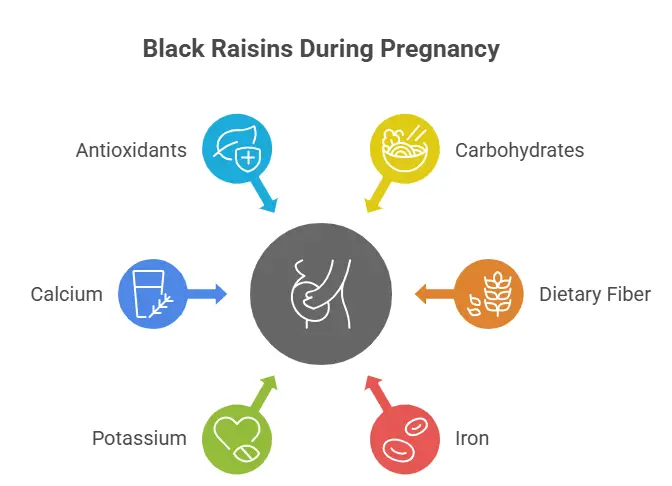
Raisins during pregnancy first trimester are useful because of some nutrients:
- Carbohydrates and natural sugars give energy to the mother and the growing fetus.
- Dietary fiber assists in bowel movements and can help relieve constipation that is common during the first trimester.
- Iron, which prevents or alleviates iron deficiency anemia and aids in the formation of red blood cells.
- Potassium and low doses of calcium and antioxidants, which maintain heart, muscle and bone health.Some mothers choose traditionally dried fruits such as Sun Dried Raisins for natural sweetness during early pregnancy.

Can You Eat Raisins While Pregnant?
According to most medical and nutrition sources, it can be considered that raisins (including black raisins) are safe during all trimesters, including the first one, if you eat them in moderation. In fact, black raisins in first trimester are useful during the first part of the pregnancy when you experience nausea, low appetite, and fatigue, as a little of it provides energy, iron, and fiber. Certain premium varieties such as Golden Kashmari Raisins are also used in pregnancy diets for their pleasant taste and nutrient profile.
However, consider these tips:
- In case of normal blood sugar and if you do not have gestational diabetes, a small amount of raisins per day is normally okay.
- In case you already have diabetes, prediabetes, a strong family history, or have rapid weight gain, your provider may request that you limit high-sugar dried fruits, such as raisins.
- Extremely sweet or concentrated foods could exacerbate symptoms in some of the women, in case you experience severe nausea or reflux. Women who want cleaner and chemical-free options often look for products labeled as Organic Golden Raisins.
How Many Black Raisins to Eat During Pregnancy?
The majority of professional and hospital affiliated nutrition websites settle on a small handful of black raisins during pregnancy. A typical serving of raisins per day is approximately 15-20 raisins or 30g or so. Some families also choose options like Organic Sultana Raisins because they are lighter and easier to digest in early pregnancy.
Some research takes this to the level of approximately 1/4 to 1/2 cup (30-60g) of raisins daily in women without diabetes. Several websites stress the necessity of not exceeding some amounts of raisins and other dried grapes per day (roughly 1/2 cup) due to sugar and caloric content.
When you soak black raisins overnight (which is a classic traditional idea), the primary evidence-based effect is that they might be slightly less sticky to teeth and easier to digest, but there is still a need to control portions and professional counsel in women who are at high risk.
Potential Risks and Side Effects
Black raisins during pregnancy cause trouble when taken in large amounts or under specific circumstances:
- Blood sugar bursts and gestational diabetes: Raisins are naturally rich in natural sugar; excessive intake might result in rising blood sugar levels and an increased risk of gestational diabetes or insufficient blood sugar management, particularly in women who are already at risk.
- Calories: They are high-calorie foods, and excessive intake of this includes the gain of unwanted weight during pregnancy.
- Gastrointestinal problems: Raisins in large quantities will cause gas, bloating, diarrhea, or constipation in some women due to the fiber and sugar alcohols.
- Dental issues: Sticky raisins may attach to teeth and increase the risk of cavities in the event of poor oral health.
- Allergies or sensitivity to sulfites: Commercial dried fruits, in some cases, are preserved with the use of sulfites; this may provoke allergic-type reactions in sensitive individuals, including wheezing or hives. Expecting mothers who balance dried fruits with nuts often check local market trends such as iran pistachio price for pairing options.
How to Eat Black Raisins Safely in the First Trimester
To eat raisins during pregnancy first trimester:
- Combine with protein or fat (such as nuts, yogurt, or seeds) to reduce the rate of sugar absorption and sustain longer fullness.
- Rinse them or a little wet them with water to loosen surface residues and make them easier to digest; shake off the wet water, so that it does not irritate your stomach.
- Do not add extra sugar: Instead of sugar or syrup, use them to sweeten oatmeal, salads, or smoothies.
- Pay attention to diversity: Do not make raisins your primary fruit; make it one of the fruits that you have every day.

Quick Comparison: Benefits VS. Risks
Eating black raisins during pregnancy has some benefits, which are:
| Aspect | Black raisins in pregnancy (moderate use) |
| Safety in 1st trimester | Generally safe in normal pregnancies. |
| Typical daily amount | About 15–25 raisins (≈30 g), up to 30–60 g in healthy women. |
| Main benefits | Energy, fiber for constipation, iron for anemia prevention, and antioxidants. |
| Main risks | Blood-sugar spikes, gestational diabetes risk, weight gain, digestive upset, and dental issues. |
| Who should limit/avoid | Women with or at high risk of gestational diabetes, uncontrolled diabetes, obesity, or sulfite allergy. |
Fresh Raisins in Toucan Trade Group
To have safe and quality raisins during pregnancy, you should select a supplier who is dependable and has control over farming, drying, and hygienic packing. Toucan Trade Group (TTG) provides a range of Iranian raisins that are carefully chosen by retail prices and bulk purchasers, and it is easy to see the products and place an order via our site.
FAQs
- Is it good to eat black raisins during pregnancy, especially in the first semester?
Yes, a small daily dose of black raisins is believed to be safe during the first trimester of a healthy pregnancy and can be used to treat energy and mild constipation. - How many black raisins can I eat per day while pregnant?
The most sensible advice is regarding a small amount, say a handful (approximately 15-25 raisins or about 30g) of dried raisins per day, not more than about 30 60g of dried raisins unless otherwise recommended by your doctor. - Where is the best place to buy black raisins?
Search the Toucan Trade Group website, choose your favorite type, and place your order.
